Topics

Agents in practice

Lessons from agent design, self-hosted stacks, and knowledge-work agents: what holds up when the model is only one part of the system.

Overhead still life of a drifting compass among scattered papers, with a slim playbook entering from the side.

YouTube

Why MCP tools still left LinkedIn’s coding agents lost

Ajay Prakash, a LinkedIn software engineer, told an AI Engineer audience why wiring Model Context Protocol (MCP) search, docs, and tickets into coding agents still stalled on slightly complex internal jobs.

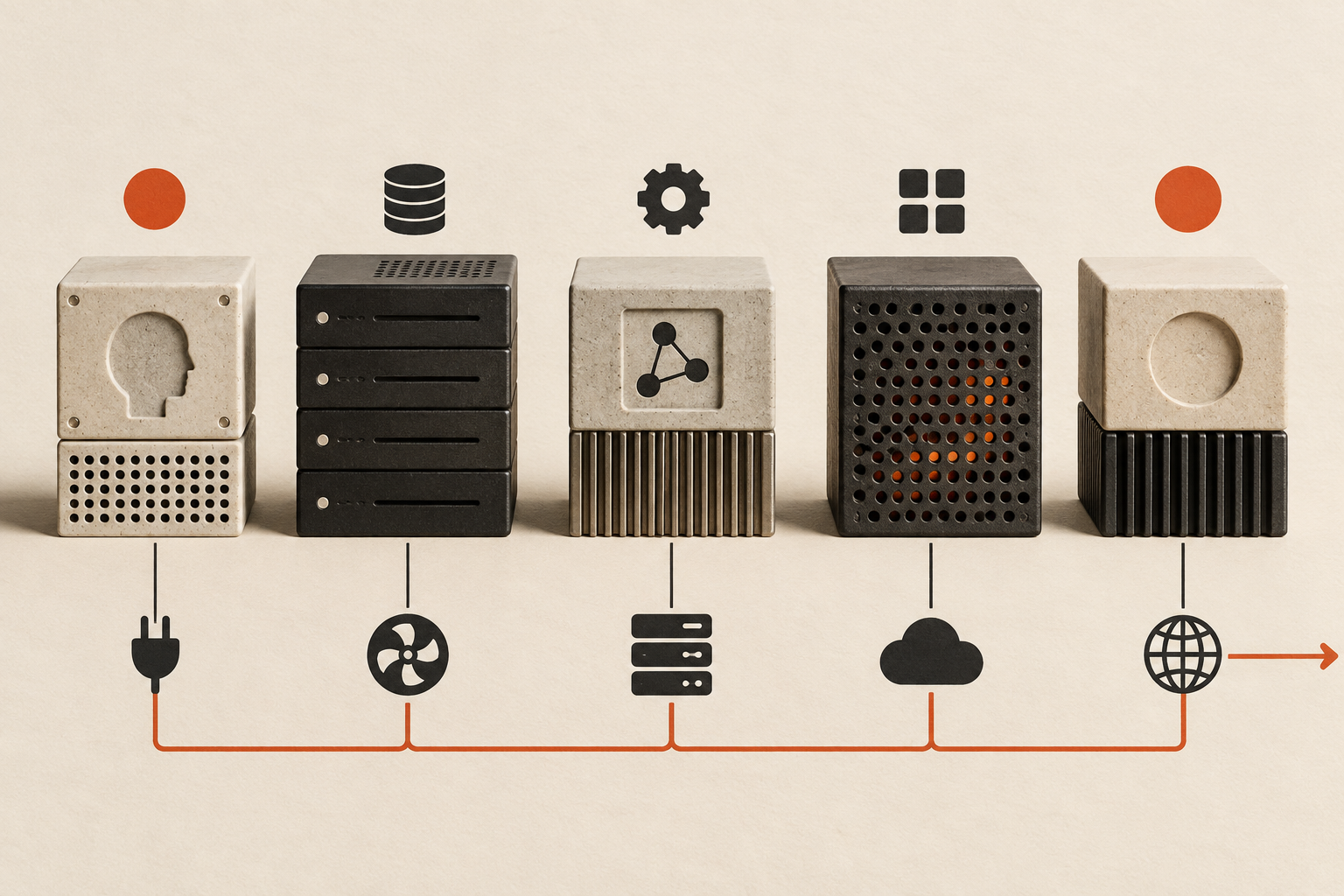
Five sculptural server-like modules on cream paper, linked by an orange line that continues beyond the frame.

YouTube

Fireship’s five-tool AI stack, explained

Ollama, 9Router, Headroom, Dify, and OpenHands handle five different jobs: running models, connecting AI services, shrinking inputs, building app workflows, and assigning coding tasks to an agent that writes and changes code.

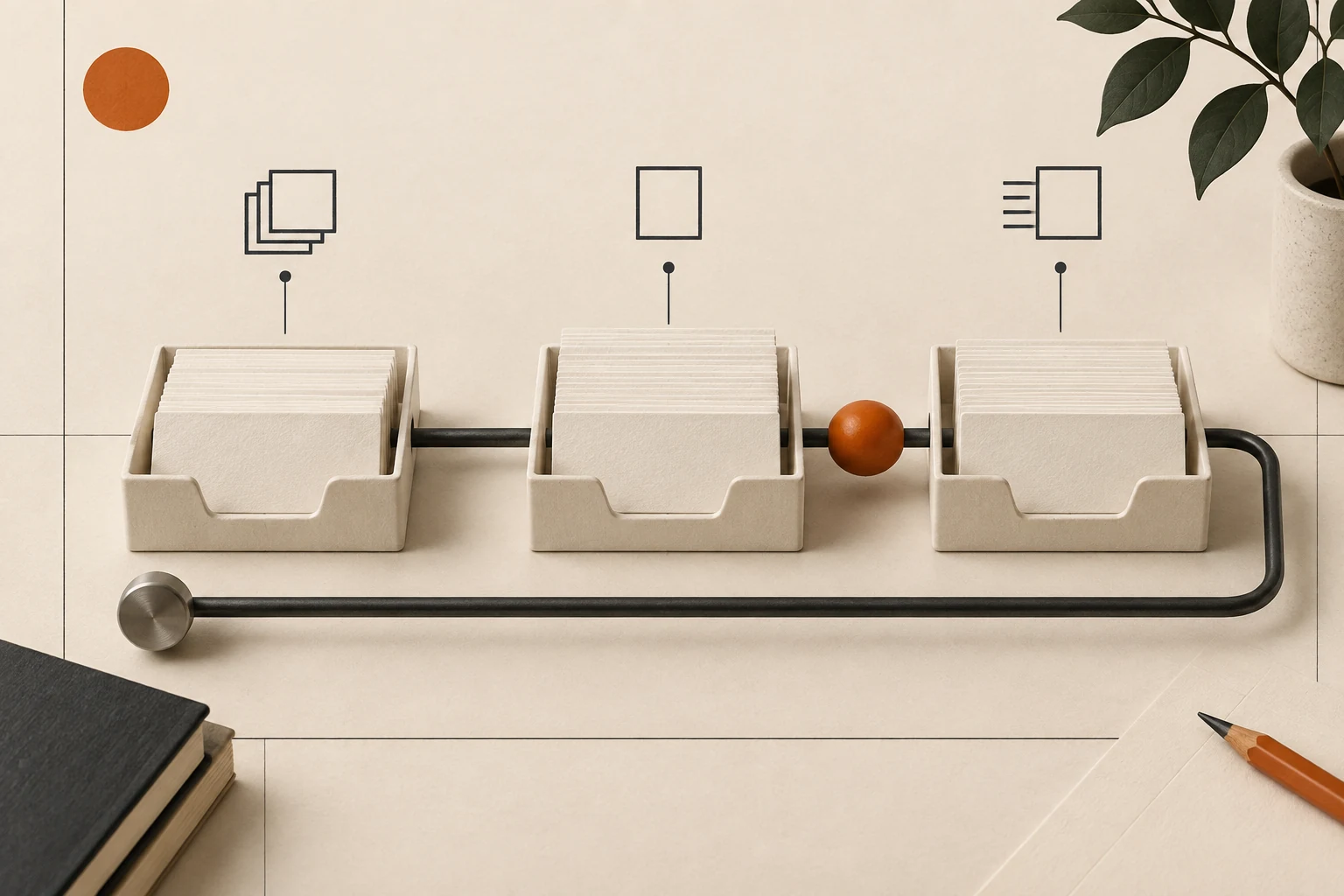
Three trays of blank cards connected by a dark rail and an orange bead.

YouTube

What coding tools can teach office agents

In a talk published by AI Engineer on 3 September 2026, Composio cofounder and CTO Karan Vaidya argues that coding agents moved faster because of six supports around the model — a shared place to work, a record you can inspect, local standards, checks before effects, walls outside the prompt, and undo — not because the model itself is enough.